
The Federal Housing Administration updated its fair housing guidelines to make clear that landlords cannot discriminate against tenants based on health status or association with a communicable disease. HUD treats tenants with serious health conditions the same way the ADA treats individuals with disabilities, meaning landlords must make reasonable accommodations and cannot ask intrusive questions about a tenant’s medical history. This article walks through who these protections cover, what landlords can and cannot do, and how to stay compliant without overstepping.
Table of Contents
Health-related protected classes under fair housing laws
Fair housing laws protect tenants from discrimination based on health conditions and perceived disability. Landlords already know they must avoid discriminating based on race, sex, nationality, and religion. Health status works the same way. If your rental application asks about a tenant’s medical history or current health conditions, you should reconsider that question immediately.
Who do these regulations protect?
Important federal fair housing laws that protect persons from discrimination including harassment and intimidation, in housing and related services on the basis of race, color, religion, national origin, sex, familial status, and disability.
The Fair Housing Act and other federal laws prohibit the eviction, turning away, or harassment of a person in housing because they are profiled or perceived to have a disability or health condition.
HUD Statement on Fair Housing
HUD’s guidelines on health-related discrimination expand the landlord’s existing duty to accommodate all tenants in providing fair housing services. Administrative agencies have cracked down on landlords who try to screen out tenants based on perceived health risks. The enforcement has teeth, and landlords who ignore these protections face real liability.
Who do these regulations protect? Health-related fair housing protections mirror those under the Americans with Disabilities Act. HUD asks landlords to treat tenants with serious health conditions the same way they would treat individuals with permanent disabilities. If a health condition disrupts a tenant’s major life activities, the landlord must make reasonable efforts to accommodate them.
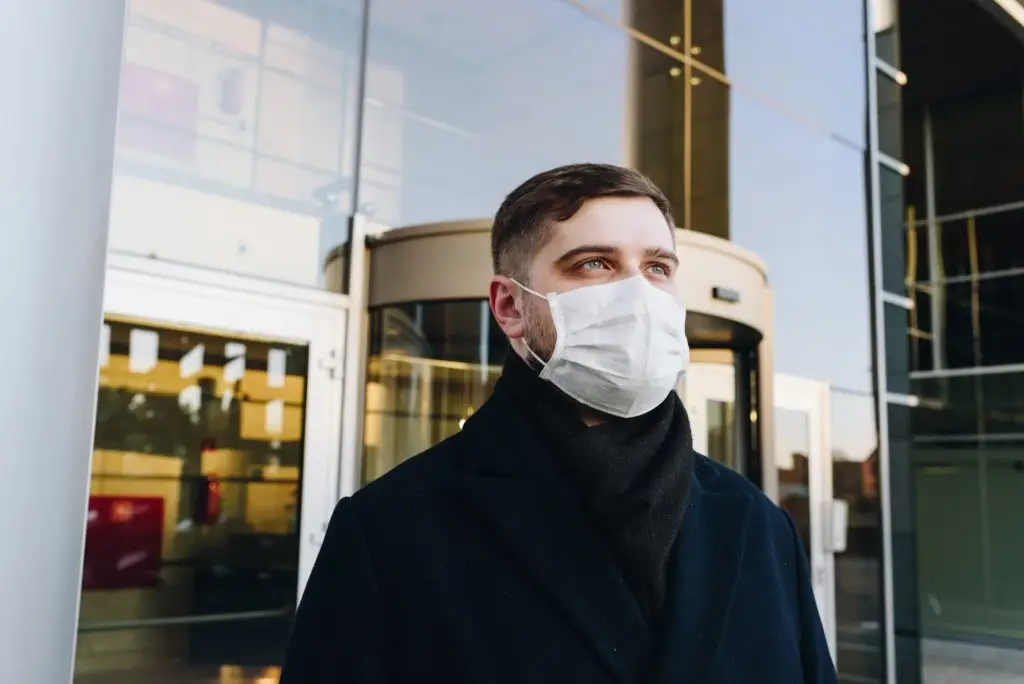
How do fair housing laws protect tenants with health conditions?
Any change in the way things are customarily done that enables a person with disabilities to enjoy housing opportunities or to meet program requirements is a reasonable accommodation.
Housing providers may not require persons with disabilities to pay extra fees or deposits or place any other special conditions or requirements as a condition of receiving a reasonable accommodation.
HUD on Reasonable Accommodations
In a residential setting, landlords must do what they can to make their housing accessible to tenants with health conditions. A landlord cannot turn away a prospective tenant because of a health diagnosis. A landlord may not evict a tenant who is ill or quarantined on that basis alone. And it would be illegal for a landlord to enforce medical isolation herself. The rules prohibit the landlord from interfering with the tenant’s occupancy based on health status.
Do’s and Don’ts
A landlord may not charge extra deposits or fees related to a tenant’s health condition. A landlord may not charge cleaning or disinfecting fees. A landlord may not refuse access to someone suspected of having a communicable illness. These restrictions track the same Fair Housing protections that apply to tenants with disabilities.
What can a landlord do? Focus on providing services rather than gathering information. If tenants need assistance, let them come to you voluntarily. A fair landlord treats tenants with dignity and does not inquire about their private health status. Asking creates liability. Providing help does not.
Can landlords ask about a tenant’s health status?
Under fair housing laws, questions about a tenant’s health are intrusive. The law treats communicable disease status the same as questions about fertility or cancer. Direct questioning is not just illegal, it is unethical. Landlords provide a service, and the only questions that matter are whether the tenant can pay rent and comply with the lease terms.
Landlords can still support tenants by offering services that help during illness or quarantine. The goal is to let tenants come to you voluntarily. Fair housing laws prohibit asking for health information, but the tenant can always supply it on their own terms.
Do not inquire about health status from prospective tenants. The Fair Housing laws treat this exactly the same as asking about cancer on a rental application. There is no ethical or legal way to ask if a tenant has a communicable disease when she applies to rent. Focus your efforts on keeping your buildings well maintained and your services available to all tenants equally.
The bottom line for landlords
If you take one thing from this article as a landlord: do not ask your tenants about their health. Do not encourage them to disclose medical information. Instead, make services available and let tenants tell you what they need. Your job is to provide quality housing, and that means treating every tenant equally regardless of health status. If you have questions about your obligations under fair housing law or need help with a landlord-tenant dispute, our office handles these matters for Chicago landlords regularly.
Fair Housing Resources:
HUD Statement on Fair Housing and Health Discrimination
Reasonable Accommodations for Disabled Tenants – HUD Guidelines.
File a Charge – Illinois Department of Human Rights Fair Housing Division.