
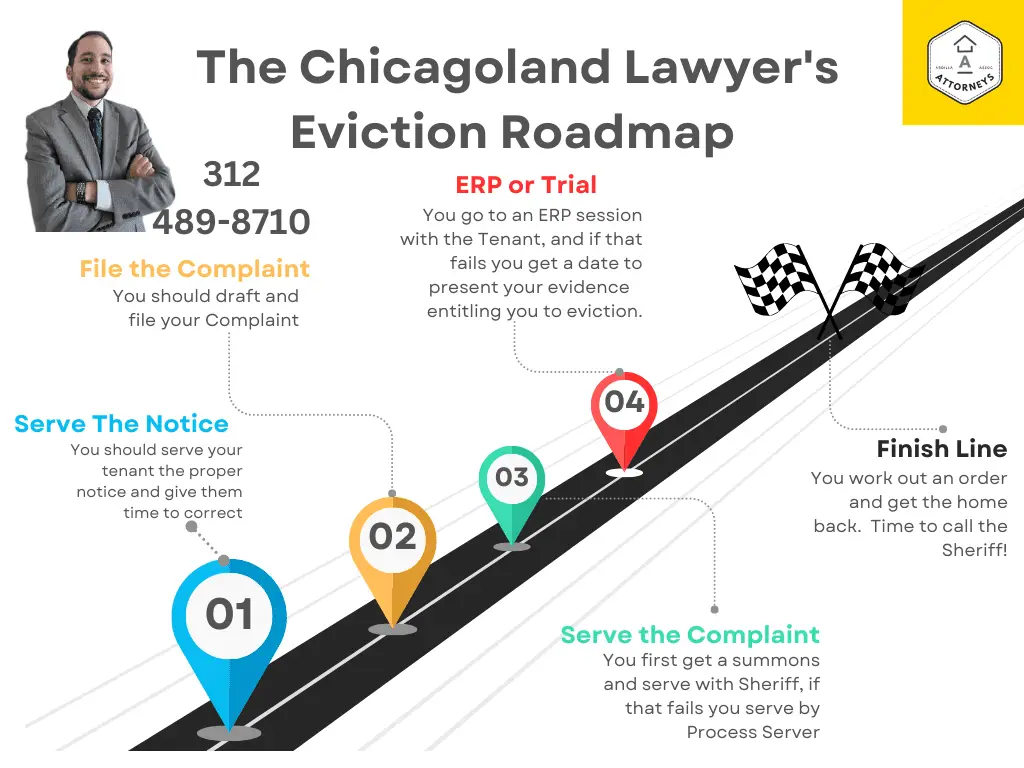
Ask An Eviction Lawyer 2: The Chicago Early Resolution Program (ERP) in Eviction Cases

Here is what the Early Resolution Program looks like from my chair. The judge continues the case five weeks for ERP. Five weeks later the clerk calls the case on the ERP line. I say my name. The tenant says theirs. I say, "ERP not settled." The judge sets a trial date. That is the whole program, in every case I have had.
I have never had a case settle in the Early Resolution Program. Not one. I have said so on the record to a reporter. Plan for ERP as a five-week delay, not as a settlement chance. If the tenant wants to settle, the settlement happens in the hallway, on my terms, with a signed move-out date.
The Chicago Early Resolution Program (ERP) is a program that helps landlords and tenants resolve eviction disputes before they escalate to a full eviction trial. The ERP starts up when the Defendants have been served the Court Case. The program aims to reduce the number of evictions in Chicago by providing free legal assistance, mediation services, and access to resources for both landlords and tenants. While you’re not required to participate as a landlord or tenant, it is a great way to resolve disputes related to housing. By participating in the ERP, parties may be able to resolve their disputes more quickly and cost-effectively than going through a traditional eviction trial.
Table of Contents
Key Components of the Early Resolution Program
The Chicago ERP consists of several components designed to help landlords and tenants address eviction issues:
- Free Legal Assistance: Both landlords and tenants can access free legal assistance through the ERP. However, you’ll want to have your own eviction attorney. This support includes advice on their rights and responsibilities, help with paperwork, and representation in mediation sessions or court hearings.
- Mediation Services: The ERP offers professional mediation services to help landlords and tenants negotiate a mutually agreeable solution to the dispute. Mediators are neutral third parties that facilitate productive conversations and will help parties reach a resolution.
- Financial Assistance and Resources: The program connects eligible tenants with financial assistance programs, such as rental assistance and emergency housing funds, to help them avoid eviction. Landlords may also benefit from these resources, as they can help ensure timely rent payments and maintain occupancy.
- Educational Workshops: The ERP provides educational workshops for both landlords and tenants, covering topics such as landlord-tenant law, eviction prevention strategies, and available resources.
Get em Out!
I handle Chicago evictions for a $1,600 flat fee, notice through judgment. DuPage cases are $895, and Kane cases are $995.
Chicago Eviction Lawyers Giving Free Consultations
Free Eviction Notice Preparation, Full Case from $895 Attorneys FeesHow the Early Resolution Program Works
When an eviction case is filed in Chicago, and sometimes right after the Complaint is initially served, the case will be set for an ERP compliance date. The court will inform both the landlord and tenant about the ERP. If the tenant desires to participate in the program, they will be referred to the appropriate services, such as legal assistance or mediation. Participation in the ERP is “voluntary,” and parties can choose to continue with the traditional eviction process if they prefer. I put quotes around voluntary because you must at least attend the meeting even if you do not resolve differences.
If an agreement is reached through mediation, the terms will be documented, and both parties will sign the agreement. The agreement may be presented to the court as a resolution to the eviction case. If the parties are unable to reach an agreement, the case will proceed through the normal eviction process.
The Benefits of the Chicago Early Resolution Program
The Chicago Early Resolution Program (ERP) not only benefits tenants but also offers significant advantages for landlords. By participating in the ERP, landlords can save time, and money, while maintaining more positive tenant relationships.
The Early Resolution Program Offers Cost Savings
By resolving disputes through mediation or with the help of free legal assistance, parties can avoid the expenses associated with a full eviction trial. This is a potential savings of $400 or more.
The ERP and Time savings
Resolving disputes through the ERP can be quicker than going through the traditional eviction process. Many ERP cases with responsible tenants end with the tenant agreeing to move out on a certain date, and then they do.
Access to Financial Assistance Resources
The ERP connects tenants with financial assistance and housing resources, which can help prevent evictions and promote housing stability. The ERP connects eligible tenants with financial assistance programs, such as rental assistance and emergency housing funds, which can help them avoid eviction. This benefits landlord litigants as well, as it can lead to timely rent payments, maintain occupancy, and reduce the need for future evictions. Plus, this resolution can help you get court-sponsored rental payments free of charge. A stable tenant relationship can improve cash flow and property management for landlords.
Improved landlord-tenant relationships
By resolving disputes amicably through the ERP, landlords can foster more positive relationships with their tenants. A strong landlord-tenant relationship can result in better communication, fewer conflicts, and increased tenant satisfaction. This can help landlords maintain a positive reputation in the rental market, attracting responsible tenants in the future. This benefits absolutely everyone in the marketplace.
PropertyOwnerManagerParticipationAgreement04212020DownloadWhat is the Difference Between the Chicago Early Resolution Program (ERP) and the Emergency Rental Assistance Program (ERAP)?
The ERAP is a federal program that provides financial assistance to eligible tenants who have been financially impacted by the COVID-19 pandemic. The program aims to help tenants cover rent and utility payments to prevent eviction and homelessness. Key components of the ERAP include:
- Financial assistance for rent payments, including past-due rent and future rent obligations.
- Financial assistance for utility payments, including electricity, gas, water, and sewer services.
- Eligibility is based on income, financial hardship due to the COVID-19 pandemic, and risk of homelessness or housing instability.
However, the ERAP is now out of money. If you’re seeking to work things out with rental assistance, you should instead go for the Rental Assistance Program (RAP).
Family and Support Services Rental Assistance Program
The Chicago Family and Support Services Rental Assistance Program (CFSS-RAP) is a local initiative that aims to provide financial assistance to eligible Chicago residents who are struggling to pay their rent due to financial hardship. The program’s primary goal is to prevent homelessness and promote housing stability for families and individuals facing temporary financial difficulties.
Get em Out!
Chicago Eviction Lawyers Giving Free Consultations
Free Eviction Notice Preparation, Full Case from $895 Attorneys FeesHow does Rental Assistance Work?
The CFSS-RAP offers various types of assistance to eligible residents through the early resolution program, which may include:
- Short-term rental assistance: The program provides financial assistance for up to three months to help eligible tenants cover rent payments during periods of temporary financial hardship.
- Support services: In addition to financial assistance, the program offers support services such as case management, financial counseling, and referrals to other resources to help tenants address the underlying causes of their financial difficulties.
- Prevention of homelessness: By providing rental assistance and support services, the CFSS-RAP aims to prevent evictions, promote housing stability, and reduce the risk of homelessness for Chicago residents. This is the same type of deal the Early Resolution Program is looking for.
Who is Eligible for the Rental Assistance Program?
To qualify for the Chicago Family and Support Services Rental Assistance Program, applicants must meet certain eligibility criteria:
- Chicago residency: Applicants must be residents of Chicago, with proof of residency required during the application process.
- Income requirements: Applicants must have a household income at or below 50% of the Area Median Income (AMI) for Chicago.
- Financial hardship: Applicants must demonstrate a temporary financial hardship that has led to the inability to pay rent, such as job loss, medical emergencies, or other unexpected expenses.
- Risk of homelessness: Applicants must be at risk of homelessness or housing instability without the assistance provided by the program.
Funding for the CFSS-RAP is limited, and they provide assistance on a first-come, first-served basis. You should absolutely apply before the Early Resolution Program. There are some additional rules if you have a rental property LLC. If you’re eligible, you should apply as soon as possible to avoid facing financial difficulties.

The Early Resolution Program is a great tool for people going through evictions in Chicago. For additional guidance and support in eviction cases, reach out to a great eviction attorney like Justin Abdilla at 630-839-9195.