Office Hours with Ryan Ray: Business Sales, Raising Money, and the Entrepreneurial Spirit
I'm happy to announce that today I went on Office Hours with my friend Ryan Ray, Director of Partnerships at Ad Astra Equity Advisors. We've been putting this together for about two months, and I'm overjoyed to bring you this conversation. In this nearly hour long show we discuss business sales, fundraising, real estate rollups, trends in M&A, some Illinois legal quirks, why good businesses get started by good humans and end talking about some Lindsay Clancy opinions just for the views.
Those of you who know me well know I love my cowboy hat, and Ryan told me I should wear it. It's all hat and no cowboy, and that's the only viewer question anyone asked. I can't thank Ryan enough for having me on, because he's about the most connected man on X and the biggest guy in this field. Watch his show every week!
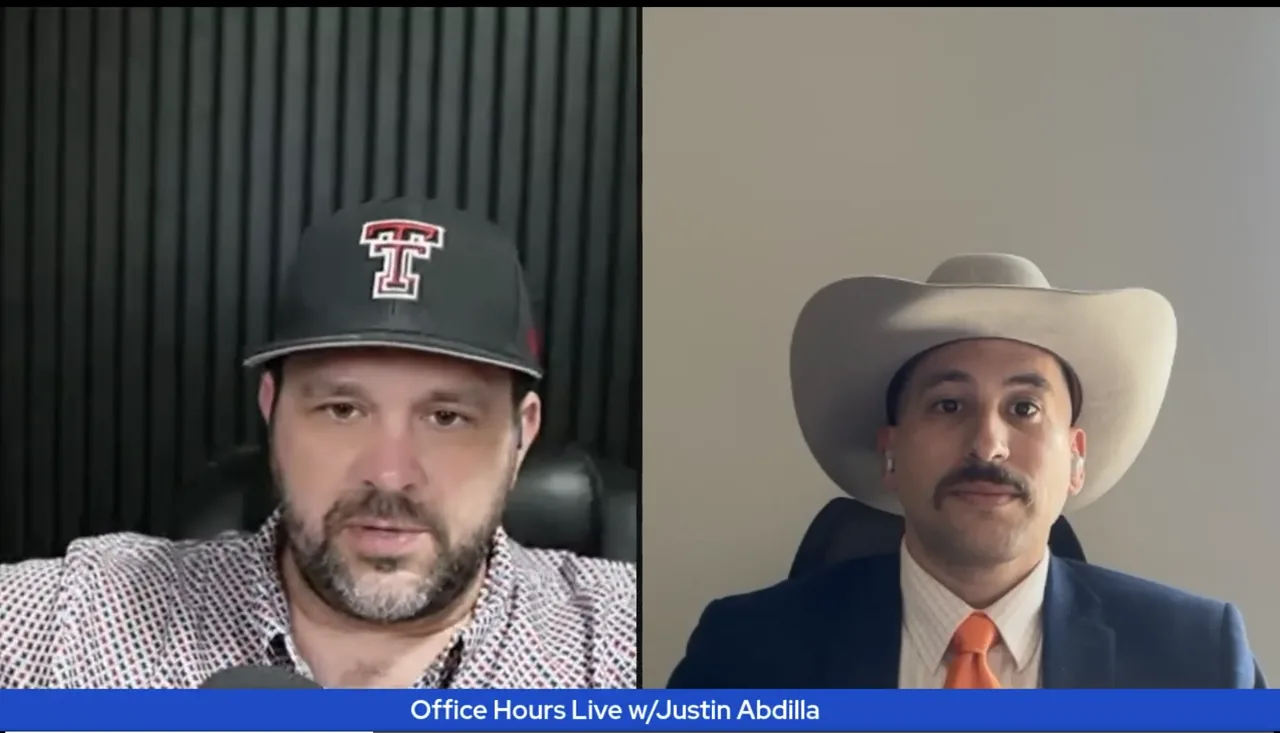 Office Hours Live w/Justin Abdilla Watch the full episode on X · 55 minutes
Nine Moments Worth Your Time
Quotes lightly cleaned for readability. Verbatim transcript below.
“I just did all of this data on SBA style acquisitions, trying to figure out how the new rules would affect the market demand... It's like the best year since 2013.”
[07:01] Justin · Related: Chicago business acquisition statistics
“The risk thresholds kind of flipped, where buying well-performing businesses is now outperforming buying your lower time-value investments.”
[08:48] Justin
“The value of tooling is like zero now. If you want a tool that does something you used to pay a hundred thousand dollars a year to do, it's three weekends of work now and you have it.”
[10:23] Justin
“Everybody at the higher end is really only caring about the QofE... I would say 80% of the questions that I have gotten are QofE related.”
[18:39] Justin · Related: EBITDA vs. Quality of Earnings
“Your biggest and most important client is the one you sell your company to.”
[20:15] Ryan
“Illinois is a state where if somebody asks about it, your answer immediately becomes material.”
[21:51] Justin · Related: the PPM guide
“There's PEs who understand how to run a business a lot better than Main Street. The really, really good ones keep the best person in every job.”
[30:25] Justin
“I love seeing business failures, because it means people tried... I personally had to not take clients for an entire year because I was failing at this business, and I came back and I did a much better job.”
[50:07] Justin
“You can actually tie this to PPMs... did they disclose the awkward facts enough? Did they comply with SEC regulations when raising capital?... It's not what they said. It's really how they said it.”
[54:33] Justin · Related: Every Section of a Private Placement Memorandum, Explained
Full Transcript
[00:00] Ryan: September 3rd, 2026. Man, the year, it feels like it is going by fast. Well, okay, back up. In Texas, at least, August was like 10 years long, but hopefully that's done. So, looking up, it's like September. It feels like the year's finally moving ahead. It was going by fast and then it came to a halt. August was brutal, but you're not in Texas, are you? So, you didn't
[00:21] Justin: have to deal with all this that we're dealing with. No, no. Frequent traveler, though. Illinois has been kind of crazy. Most tornadoes in the United States, bad weather everywhere. Court was even closed one day due to weather. Just a nutty year for derechos and all this El Nino stuff. Super El Nino. Yeah, yeah. We got three hurricanes in the Pacific at the same time.
[00:46] Ryan: Kind of cool. Okay. Unless you're in the Pacific. Unless you're in the Pacific, yeah. Yeah. Do a quick introduction of who you are and then let's hop into it, man. Yeah, let's go.
[00:55] Justin: So, yeah, I'll do it. My name is Justin Abdilla. First time caller, long time listener of the Ryan Ray Show. I'm an attorney in Chicago. I split my time between Chicago and the Southeastern United States, but I only work in Chicago. I'm doing real estate construction law, some small business law, working with a lot of people with a lot of real estate investments.
[01:17] Ryan: So, I'm curious. In law school, I like to be a pro se lawyer. That's kind of my skill set.
[01:27] Justin: Yeah, go ahead.
[01:29] Ryan: But in law school, did you know real estate was going to be it because or divorce or taxes or like, how did you pick the fields that you practice in?
[01:38] Justin: Okay. So, I actually started out wanting to do tax. I thought tax would be a good place for me. I've been frequently fond of saying that lawyers are really smart people who are scared of numbers, but I was never scared of numbers. I've got a degree in semantic and syntactic logic, which has like a lot of computer programming and sentence diagramming and like argument symbols. So, I was never scared of it. And I thought, oh, I'd be great at tax. I did all the tax classes. And then I worked as the tax guy for a small foreclosure firm for a little bit, trying to figure out what the responsibilities to the clients would be on settlements. And then I never found like a divorce law firm willing to hire me to do their quid rows. I never found a M&A firm who was going to hire me. In fact, I really didn't find anybody who was going to hire me. So, I struck out on my own in 2013. And I've been doing this on my own now for, damn, it's 13 years already.
[02:41] Ryan: Yeah.
[02:41] Justin: I had hair when I started, but I haven't had it now.
[02:44] Ryan: I'm at the point where I turned 41 in July. And it was really weird for me because turning 40 was like, yeah, cool, whatever. But I used to joke, I would double my age. So, you're 35 times two, you're 70. At 40, you're 80. But at 41, you're 82. And it's like, oh, 82, that's a risky number. And then next year's 80, well, it'd be 42, it'd be 84. So, I was like, wait, I'm getting to the spot now until I can't double my age anymore. I've actually got old. For 40, 41 is really played with my head. And so, and then you can...
[03:20] Justin: Oh, it'll kill you when you have to carry the one. Yeah. Yeah.
[03:28] Ryan: There is a comment here. It's not on, it's on Twitter, so we can't show it for some reason, but I don't know why they do that. But it says, cowboy hats in Chicago. So, I'll let you address that one.
[03:37] Justin: Okay. So, I thought I would look good in a cowboy hat. And I also thought there's nobody else wearing a cowboy hat. So, I bought the cowboy hat. But the problem with this is, and how you can tell it's not a real cowboy hat is, there's no stains on it. So, it's not legitimate. I haven't earned it. I actually told Ryan I was going to wear a large cowboy hat because he's always wearing hats. And I asked him, would it be funnier if I wore my Michigan basketball champions hat or if I wore my cowboy hat? And he said, wear the cowboy hat.
[04:11] Ryan: I did say wear the cowboy hat. That's right.
[04:13] Justin: Yeah. But I've shown up. I've done other podcasts with this on before.
[04:16] Ryan: No, it looks good. It looks good. Clint says...
[04:18] Justin: You know, there's a surprising number. Yeah. A surprising number of people wearing the cowboy hat styles in the western suburbs. It's one of the joys of having a great Latin American population in the city.
[04:29] Ryan: Oh, that's a good point. That's a good point. See, I'm not sure it'd look good on my big melon. But the other thing is, like when I lean back, the cowboy hat, it's not made to lean back a lot. And I like to lean back. And so, how do you deal with that?
[04:40] Justin: Oh, see, you learn. You learn kind of how to space your neck. As you'll notice, my head hasn't gone up yet, but there is a headrest on this chair. So, you just kind of get the appropriate perception that if I lean back any further, I'm colliding with something. I will tell you, you cannot wear this while driving a Toyota Highlander XLE.
[04:59] Ryan: Okay.
[04:59] Justin: In case you were wondering.
[05:00] Ryan: That was my next question. Exactly. That was it. Yeah, you can't wear it while... I cannot wear this while driving. It would drive me crazy.
[05:09] Justin: Yeah. But Stetson makes a good wool one.
[05:12] Ryan: Okay. Well, I might have to get one. I don't know. Maybe for the mixer in October.
[05:16] Justin: You're in the south, so go to Cavendish. Cavendish, they'd let you get a felt one without breaking the bank. And then you can decide if you like the style.
[05:24] Ryan: Dude, I was looking at them for this last mixer I had. And someone was like, go get a beaver belly one or something like that?
[05:31] Justin: Oh, yeah. Those can be really expensive, like five, six hundred bucks.
[05:34] Ryan: Yeah, it's like a thousand bucks. A thousand. I was like, what are we talking about here? This is like 30 or 40 bucks. This is me. I'm a redneck, man.
[05:41] Justin: I think this one was like 130.
[05:46] Ryan: Okay. Okay. I can look at it.
[05:48] Justin: Plugging the Justin Hat Company. It's the whole reason I bought it. It's got my name on it.
[05:52] Ryan: There you go. Well, maybe for the mixer in with Paul Sweeney, I'll wear one for that. I got to think about that because I want to go in there. I don't want to reveal too much publicly. I don't think he watches, but I got some ideas on how I might dress for that. So, okay. All right. So now you do real estate and M&A though, right?
[06:11] Justin: Yes, we do. I've been fortunate enough to have a couple of people trust me to handle some big old transactions. And I've been making sure that we follow the rules, get disclosures. Um, and I might not be the most connected man on X, um, but I'm friends with the most connected man on X. So I thought that was, uh, allowing me to provide a higher quality of service. I did take all the tax and M&A classes in law school. And I had a few, uh, over the years, um, there was never enough demand for it, but now, uh, I'm getting calls pretty constantly as I think it was your guest two shows ago was telling you that they can barely even breathe for the number of M&A calls that have happened this summer. Um, and me personally, I've had, I think five in the past, uh, three, four weeks, uh, which is, which is pretty nuts. I just did all of this data on, um, SBA style acquisitions, trying to figure out how the new rules would, um, would affect the market demand and sort of plan how I was going to allocate. And I was, I was kind of stunned. It's like the best year since 2013 on the SBA acquisite last year was, um, yeah, it just keeps going this year. I think everybody's holding out. Um, and they're only published through June one so far. Yeah. Okay. Okay.
[07:30] Ryan: Yeah. I used to do more SBA stuff. Obviously now we don't, we do a, you know, cover floors 10 million. Um, and it's interesting because if you get on X where we, where we met, um, the chatter is SBA deals mainly. There's some bigger, like today we're talking about a big deal that broke, but the chatter is a lot of SBA size deals and it gives their perception. And it makes sense. Like 93% of businesses don't get above a million revenue. So you get like, that's where most of the pure volume, that's where all the deals probably are happening at, but it kind of, kind of misses the point that the bigger deals, there are a ton of buyers. I had a call with someone before this call and he was just going through all of his buyers that are like writing checks for 20 million, 50 million, a hundred million. And like, yeah, they're writing checks all the time. And so I don't think the bigger MNA part of why I've done what I've done is to tell people, Hey, bigger MNA deals, they're there. They're the buyers are insane. The amount like, and it's not like, it's like when we hear PE, people say PE and think of some big PE company you've heard of, but the PE buyers are so many, like it's, it's hard. I think for the average person who's not in MNA to realize just how many buyers there are, especially for that plus two million range.
[08:43] Justin: Yeah, I think you're right. Um, one of the things that's kind of been blowing my mind as I'm getting more acclimated to the current market conditions coming back into doing it is the, the risk thresholds kind of flipped where buying well-performing businesses is now outperforming buying your lower, um, time value investments. Uh, a few years ago, you know, it was the case that the businesses were getting such high multiples that there were a lot of files where you should just stick the money in a mutual fund. Um, but, but now like it's probably a viable retirement strategy to buy some of these properties, especially with the new rules on the SBA stuff. Um, I know we were just talking about the higher, the higher value files, but a lot of these, um, the, the multiples are small enough. The earnings are well enough vetted. People are good enough at the business. And then of course, if you have the business acumen to make anything go vertical with AI, uh, you're just going to outperform all of the other market conditions. It's like, it's the ground floor deal that you can still get in on. So it, it, it forms a really nice part of the portfolio. It's kind of no wonder there's so much activity.
[09:58] Ryan: And in your recent, you see, that's going to slow down. I heard someone the other day said three to five years. They think the window is, I'm like, yeah, maybe, I don't know. It's too hard to tell.
[10:05] Justin: I don't know. Um, I think I would have answered the same in 2023 because in 23, I was sort of expecting we would reach some sort of a maximum improvement on what, um, small value ads you could do to the business. But one of the strangest things that's occurred is the value of tooling is like zero now. So if you want a tool that does something that you used to pay a hundred thousand dollars a year to do, um, it's three weekends of work now and you have it. Uh, so all of those lead acquisition tools, um, I mean, for me, like legal research tools, there's tons of terrible, uh, uh, headlines about attorneys, you know, who get caught using AI in their briefs, but you can like hook up a tool to where the appellate courts post all of their cases and make your own portal, uh, for next to nothing. Um, so the moat that like some of these real specialty houses had, like aculinks, Monday, JIRA, uh, Westlaw, uh, all of those places, they're, they're kind of vulnerable now, which means the smaller companies can come in and really trim overhead dramatically with some good tooling. And it's not like the AI is getting worse at the tooling. In fact, it's like, it's getting
[11:27] Ryan: ridiculously good at the tooling. Yeah. I built a notebook LM for QSBS and not that I do that work, but just if it comes up in conversation and it's kind of small, you can do it. And I showed it to a few tax attorneys, a few CPAs like, yeah, that's really good. And as you know, notebook LM is a little bit slow and you got to have all the research and stuff like that. And so then I was talking to a, um, a guy who knows open AI, chat GPT codex really well. I'm like, could you do this where it doesn't hallucinate like notebook will? He goes, yeah, you could. I'm like, really? Why is no one talking about that? I talked to a guy yesterday who does the same thing. He's like, yeah, if you did, you could do that. But of course you can have the research in order to go find it, all that stuff. And I think that that kind of message that if you, if you built a note, you're a lawyer, so you know, the case laws and stuff like that, or have a good idea where to find them at, you could pull them, put them in notebook LM, and then you have it, you know, the right words to type into the chat, to ask the right questions. Like I always kind of joke about precise versus accurate. Well, they have different definitions technically. And so a lawyer is going to understand the wording. So if you had notebook LM like that, you could do it, but, but it's a little bit slow, a little bit clunky, but if codex can do this, then you're right. There's a lot of stuff that once the legal world gets comfortable with it and, you know, has developers or AI architects, whatever it is, build this stuff out for them. There's a lot of stuff that they could do to really improve their
[12:44] Justin: practice and increase their margins. I'm sure. Yeah. I mean, Harvey's kind of in that space, but Harvey wants you to be super big law. Um, a kind of the, uh, one of the nastier things that's happened in recent years. I just, I just mean like it was a very tension, contentious dispute is a Westlaw went after a legal company that was trying to do this. So there was a law company that essentially scraped Westlaw and then they digitized Westlaw's case database. And then, um, they had a way better search product, which Westlaw acquired a company that I was like the world's biggest advocate for called case text some years ago. Um, and case text was like a much better Westlaw search case text really figured out how to do this, but you're right. You can do this with kind of anything. Um, I got one I've made myself, um, a couple months back, um, Andre Carpathie posted, uh, how to make a second brain. I'm like, you know what? I'm going to try and do this. I think it's, I think it's super cool. Yeah. We erected on that. Yeah. I remember. Oh, we did. Yeah. So, um, I made one and I have like the 800 or so cases that I had downloaded over the years on my computer and my trial briefs and all of that. Um, and it, it was pretty easy. There's, there's, um, this small abstraction layer that floats above it in a computer language, which does your natural language to the words that are going to show up in the cases. It just scores similarities. Um, it's not even accurate versus precise. I mean, honestly, you just have to be playing the same sport now. Oh, wow. It's really crazy. Um, even the local ones, you know, if you have client data worries, which obviously I have client data worries, you can run a locally hosted LLM on a, you could run it on a $2,500 windows machine or a $4,000 Mac, your pick. Um, and one of those local machines, they could really find all of the cases you have and just figure out where the sites are in it in less than an hour. I mean, it, the paralegal, like drafting work is kind of just getting automated. Um, and there was no, there was no like market breaking product that hit to do that, which I think is why all of those recent surveys are saying these, the buyers want these AI native companies, because it's not like a tool had to come to market to automate them. They just, the tool just one day was good enough that it was better at entry level work than the person making 25 bucks an hour. Now I'm really scared when the tool is better at spotting legal arguments. Um, but it is, I, I will tell you, it is nowhere close. Um, earlier today, earlier today, I was looking up the case law on, um, a certain kind of privilege in a subpoena. I had a client who got subpoenaed and I looked it up and it completely hallucinated a statute and said the wrong person had the privilege. Um, but it was in the ballpark at least like it was in the right part of the rules. It was just wrong.
[15:41] Ryan: It's wrong. Okay. So I'll get back to MNA, but I do have a question for you. Uh, I'm not a lawyer as you know. Um, if I were a lawyer and I don't know if this is accessible, I'm guessing it is because you can get the transcripts of the cases. And I did a lot of, you know, trial law. I would want, so if I'm going to judge Smith, I would want AI to have all the transcripts I could have of all of his trials and then to download and then to analyze all the objections and the rulings that he's made for evidence and for, you know, everything that he's done, I'd want to know so that obviously the objections, I guess on some level, you kind of know where to object, but how you turn in exhibits and all this stuff, would that be something that lawyers would find useful or do they already have that? Cause I bet the big guys are probably
[16:29] Justin: already doing it. Um, I am doing it with zoning commissions. So all of the zoning commission, uh, notes and proceedings, they're all a public record. Um, so I have them and I figured out like what the zoning commissioners are looking for with some real estate developments without having to kind of have the no of the commissioners. Um, they would tell you if you asked, um, they're most zoning commissioners are really approachable guys, but it's, it's helped to write much better, uh, applications. So like, for example, DuPage County, they've got like 5,000 of these on their website for just different zoning petitions that you could download and index and see the questions people asked. And it was somewhat trivially easy to scrape them and do the same thing. Um, your instincts completely correct. Okay. Uh, I'm just, yeah, it's, it's interesting. Okay.
[17:22] Ryan: Um, so MNA, so we've talked about kind of the SBA deals. Let's talk about the bigger deals, kind of hone in on that for a second. Um, I think that you were saying offline that you have a company that's in market, going to market, going to market, kind of where they're at and some of the Q of E stuff that you, how are you phrasing that about the Q of E, how to fix Q of E?
[17:40] Justin: Yeah. So, um, I represent CNN construction and before I even had this conversation, I just want to let anybody know whoever hired me, I did talk to them and tell them like, can I get a scope of what I could talk about on the company? Um, then CNN is at market. Um, there, I think in the roofing trade magazine, they cracked top 50 this year, 26, they were 44 and 25. Um, really great company. Um, um, and yeah, it's, it's kind of interesting because when you start doing this at the bigger scale, like you're doing, um, you realize that there is a, a, a very substantial amount of pre-market work, um, that has to be done. You know, if you, if you go to market and you're like, I've got really great numbers on my ARR, um, and my EBITDA, and I have these like four years of great accounting statements for my company, um, that's really not being market ready. Um, you know, everybody at the higher end is really only caring about the QOE from my experience. Um, I would say 80% of the questions that I have gotten, um, are QOE related. And it's even, it's probably even more specific when the folks doing, uh, asking the QOE questions are asking them to a company that is owner operated. There's not like an equity group behind it. Um, there's really just one person who had a visionary idea
[19:08] Ryan: and a great distribution. So we try to advise clients to get one before they go to market for a few reasons, but, um, I think that owners look at that as like, you know, it's an expense and cost some money, but I'm always sympathetic to owners because they don't do M and a for a living. So they're there. It's new to them. It's a new world for them. And it's easy to get offended because someone's asking you a question. I will tell you a story. I've got a deal right now in the international deal. There's some unique laws. So I reached out to the international law firm. They're looking at it. And so I told the owner, I'm like, Hey, the law firm's looking at this. He goes, there's no need to look at that. It doesn't matter. That's not how it works on the ground. And finally got to calm down. And I get what he's saying. What he's saying is on the ground, these laws don't matter. The problem is from the deal standpoint, they very much do matter. Yeah. So trying to get owners to understand like, Hey, I'm not against you, but the buyer will discount the value of your company. If you don't check these boxes is a conversation that it's, it takes time to have. And I wish more owners really understood what I've tried to say to people is your biggest and most important client is the one you sell your company to. And so just like you're a roofer, you're trying to build, you build a roofing business. You're, you're thinking about the homeowner or commercial roofing, whatever it is. You're thinking about them. Well, in this case, your business is, uh, is being sold to a buyer, PE group, strategic, whatever, it doesn't matter. You got to have them in mind. And so if you don't have them in mind, they might not buy you. They might buy you for less. And so how have you gone? How have you gone about talking to owners to help them understand, like, these things are important.
[20:44] Justin: You have to get them right. Yeah. I, I think it's easier to have that conversation from a pedagogical standpoint of like teaching them how it goes wrong. Um, when you tell them you have to get it right. Um, a lot of them, they've never bought a company. So they're, they're only ever looking at the world through the lens of somebody who owns the company as the seller. But, um, I'll give you an example. I represented a guy who had a debt collection business and the debt collection business had one hospital client that was like probably 70% of reps. And on QOE, that's a gigantic red flag because there's just one enormous client. And if they lose that contract, the company's value dropped 70%. And so the thing that's valuable about your debt collection company is you're servicing the debt of a big guy, but there's no diversification against risk. You're vulnerable. And so like QOE, we catch us those stuff because you would see on, uh, any other accounting firm, man, we did a great year. You know, we made $2 million for example. Um, so that's, I think that's one of the ways you can talk about it. I love your example though, about the lawyer saying it doesn't matter on the ground because Illinois is, um, somewhat of a strange state for M and a, um, Illinois is a state where if somebody asks about it, your answer immediately becomes material. So, um, if you can, you can say, I refuse to answer, you should not rely on my answer. So you can say that and people often do for, for certain kinds of things. But if you were to answer, um, no material objections, you have liability for everything that shows up. Um, as a lawyer, you're saying, or what do you mean? No, the company does the company can get sued for fraud. Yeah. So there's a, yeah, there's a famous Illinois case where it was, um, it was an Illinois company that owned some oil wells. They owned, I think five oil wells and they were asked a question about how the oil profits were coming into the company. And I believe they, the way that the case wound up in court is they answered it monolithically. And so one of the wells was not good, but the way they had structured the deal was that each well stated its own profits. Although they answered, they answered like colloquially as a monolith, all five oil wells make this funny, but like two of them were really dry. And so they, they definitely wouldn't have bought them if they had read that closely enough. It was a huge piece of litigation. I think the case is like 20 years old, but, um, it, it, that's a famous case. There's a famous us Supreme court case that, um, asks about like the amount of fruiting and an orange
[23:23] Ryan: tree for security laws. You read that one in law school. Okay. So is Illinois a single consent
[23:31] Justin: record state or a dual consent? Oh, it's dual. Yeah. For eavesdropping, we have the weirdest
[23:36] Ryan: eavesdropping law in the country. Okay. Well, I was just thinking like, cause if it was single, yeah, it's a class four felony. Okay. Cause if it was single, you could walk around and with a recorder on your phone and just ask questions and then, and then record, cause how do you prove that Justin said this stuff in conversation? And I guess it was where I was going. Like,
[23:54] Justin: how does that go about? Yeah. It's a Illinois is really weird for oral conversations. Um, in Illinois, it's a two party consent state and there's, um, a fel, a class for felony punishable by up to one year attached to criminal eavesdropping. I think it's class for, um, I'm not a criminal lawyer, but this comes up a lot. Um, the, uh, and it says basically if you are recorded, um, audio visually in a place where you have an expectation of privacy without consenting, it's, uh, it's a criminal act. So that just keeps everything out of evidence. Um, you know, this was, this was obtained through a criminal act. I don't think this should come in to evidence and we get stuff like that pretty regularly. Um, like I've done commercial evictions where verbal altercations between the landlord and tenant are offered as evidence. And we're like, that's, that's not happening. Um, we're, we're, nobody's hearing this one. Um, we didn't know you had your cell phone pointed in your breast pocket recording the interaction. Um, I, you know, I'm not the legislator. I didn't run for office, but I, I definitely don't agree with that law these days. Um, just in, in realism, it's, it's really crazy. Actually have a good story. Um, I had a client who had 500 ish investment properties and they asked me to evict like six of their worst tenants. And I was in the courthouse anyway, so I agreed to take them all. Um, and I shouldn't have. And, uh, the, one of the tenants was, um, he was a very deep, I'm going to say he's pretty duplicitous guy. I'm not naming who he is. Um, and he would call me and leave these like voice masked messages with where he pretended to be the judge telling me to go to particular places or that I had courtroom obligations or whatever. And obviously like, we know the courtroom phone numbers. We know the phone numbers that are coming out of the clerk of the court. And so I had to transcribe his words from the voicemail to the judge. And I couldn't offer the clip as evidence that he should be sanctioned. Um, because one, I don't even record like my, my own voicemail. If you called my firm's number, you are going to get an AI assistant that's actually just typing your words because you might have an expectation of privacy, leaving a voicemail message thinking that you're calling a private number. Yeah. I don't record voices. Um, I'm, I'm so scared of this eavesdropping law there. They
[26:22] Ryan: really care. Well, okay. So then how would the situation you just described before this about kind of making false promises and then being held to the fire for that?
[26:32] Justin: You get the other guys at the table, the other guys at the table say that they were there and they
[26:36] Ryan: heard it and it was okay. So, okay. You have other witnesses. Okay. Okay. Yeah. So, so if it's a one-on-one private conversation, you're okay. But if it's, you could be okay. If you're out in public or a big room, that's where they can get you. Yeah.
[26:47] Justin: Now, this is not legal advice. Right. Right. It's not, nobody would think it is. Yes. But you know, the people who have legal training in your office would be like, that is hearsay, isn't it? Like you're offering to prove that it was true when they said it. And, um, I will tell you just generally, if the declarant is the person who said it is on the stand. Um, typically there's a procedure to get it into evidence. Um, and this one, I mean, it's like a statement of fitness, so it could be legally operative language, like 803 B six rules, whatever, nobody cares. This is an M and a podcast, but like you can get that stuff in. Um, the hearsay is more like, I heard that he shot that woman or something like that, like that. You'll never get it. Yeah. Okay. Okay.
[27:36] Ryan: Okay. No, that's fine. I'll just see if you brought that up. The problem is I love legal theory. I love legal stuff. And so I'm not, I'm not like, Hey, let's read the case law and figure out, but I love, I love the concepts around it. So it's a, it's a squirrel for me. Um, let's talk about PE for a second, because the deals that we work on, um, not the SP range, I guess top end SP8 range or something, but the world that we live in, it's a lot of PE buyers. And I always feel in a weird spot because I feel like I have to defend PE to people because I think when the average person hears PE, they think of like a black rock or someone really big. I was like, man, there are so many PE groups out there that you don't, you don't even know the names of the people that we're talking about because they're quiet. They're not big loud mouth like me. They're not doing live streams. You know, they're just kind of, they're doing their thing. And so are there good ones? Yes. There's some amazing ones. Are there bad ones? Of course there's always good and bad. Why is the PE perception you think so negative right now? Uh, I think people are looking at, um, the in crapification of many things that have come up in their lives. Um, you know, the one, the one that really blew my mind when I was looking at the stats, physicians offices have been getting rolled up like crazy by PE. Um, and those physician offices, it's like, I used to be able to talk to Dr. John and Dr. John would put me on a payment plan and I could go when I could afford it and he would let me run a bill. And so that, um, that Mr. Smith goes to Washington era main street, like handshake, human to human interaction dries up a bit when PE enters the area. So maybe that's like the lesson for PE on reputation management is that PE folks, you know, could try to be more personal, but I think that's the whole reason that they, that the public perception
[29:29] Justin: of PE is kind of bad. Um, my family's from Detroit and there's a, uh, I think he's a roofing guy. He might be a furniture guy in Detroit who runs these ads that say, we're the last family owned, um, operator that hasn't been bought by PE and it's like real differentiation. Um, you know, CNN construction is a, um, it's owner operated. Uh, you could, you could talk to the owner on the phone. He would call you, you could get the guy who owns the company on the phone. Um, now, if you're a customer who is understood and, uh, call back when you need to call back and took our phone calls, you're going to have a great experience talking to the owner. Otherwise you might get a terrible experience because the owner is going to wonder why you wanted to talk to the owner of the company. Um, the, uh, I think generally to your point of like, there's good PEs, there's PEs who understand how to run a business a lot better than main street. Um, but PEs, the really, really good ones keep the best person in every job. Um, I think we all know somebody who lost their job in an acquisition one place or another. I've lost a job in an acquisition. I had a great client. They got acquired and they don't want to go with me anymore. They want to go with some big old law firm. Um, I think that's part of it, but I also think, you know, there were great sales guys who got their department downsize. There were managers who held the office together that P didn't understand what they were doing. But then there's also, you know, a guy named Richard who's who brought the donuts every day and didn't do anything at work and PE spotted that and they freed up the $80,000 a year. Um, I,
[31:12] Ryan: it, it cuts both ways. Yeah, I think you're right. It does go both ways. And the hard part is like, we're getting ready to launch the ad Astro advantage. And the hard part we've told all of our people referral partners is we're not sure what we put into the wild when people approach the site, how they're going to find an attorney. Do they want to find it by number of associates, local to them, licenses, reviews, cases, one website. We don't know. We just don't know. We have an opinion on how they should find, how they should source it, but it's up to them. And so PE has a lot more data, but it doesn't mean that they're all to your point, that guy, that Richard guy who has the donuts, he didn't do a lot. They might cut him. And from a dollars and cents standpoint, it makes a lot of sense. And for some companies, those guys need to be cut, but there's some companies where that's the guy who keeps the morale up and you can't really measure that. And so it's, so sometimes they're, they're right. A lot of times in making that decision, you don't hear about it when, when they're wrong. It's almost, I don't know if it's catastrophic every time, but it's detrimental and you can see it, but it's like, anyone would have cut that guy. If they were looking at the balance sheet going, okay, how do you figure this out? Not getting into the human level going, oh, wait, no, this guy's very positive. He brings donuts. He's always there when, when they're working late, he's the one pushing us forward. And that's hard to measure. It's an intangible kind of stuff.
[32:37] Justin: Yeah. It's hard to put a, find a trust signal for leadership, isn't there? Because, um, you can see like great reviews, but I think a lot of leaders are going to have some bad reviews because they're going to tell you like, don't do this. And they're not going to engage with a bad idea. Um, you're going to see leaders who have great education, but you're also going to see born leaders who have no education, um, or very little education in the field. They don't have the credential. Um, I've kind of been on a hobby horse about this recently. Um, like Benjamin Franklin was running his printing company when he was 12 years old and he was good at it. Really? I didn't know that. Yeah. He was 12 years old when he was running his printing company. And like, by the time he was 35, he was probably the richest person in the colonies. Um, Jefferson was running his plantation at like 16 or 17. So, um, the formal education isn't really necessary. I mean, shoot. Hamilton was running the books of some New York import export house at 10. 10. Um, yeah, 10, they, they brought, yeah, they brought him in there. Yeah. They brought him in
[33:43] Ryan: brother. I was in high school at 10 years old. Like I can tell you 10 year olds can do some cool stuff. You're in high school at 10. Yeah, I was. You could Google it. If you Google my name, you'll find the article. When I say there are levels to this game. Yeah. You're playing at a high level. That's crazy. Well, I mean, I just achieved a lot at an early age and I mean, I didn't really earn it. You know, I just, the school thought that was the place for me.
[34:05] Justin: Yeah. You can't, you can't earn a gift from God. No, that's, that's true. But I do think that what
[34:11] Ryan: you said there is, what's been interesting in my career is I've been fortunate enough to be in the rooms that I shouldn't be in. And I used to joke that if I'd gone to Harvard and I had this mentality, the rooms I'd be in would be even more insane. Like I always kind of pick on the Harvard people. Like you haven't met the president of a country I met for like, what's your problem? Like, just kind of being like tongue in cheek, joking with them because I didn't graduate college. Um, I'm just a redneck. I mumble, I stumble, I wear a hat, you know, I'm a redneck. I know who I am. Um, but I do think, and I do wonder, I should say in society, if we've over systematized every little thing about how you do it, and there is a process that's efficient, obviously, for building a car, you got to have efficiencies to get the thing to market. But if you're talking about how do you advance in a career, how do you go from A to B, man, you've got to meet people, you've got to be likable, they've got to like you, people will trust you that because you're a good person. They would never trust you based upon your credentials alone, but they would trust you because they like you. And it feels like we kind of lost that in America where it was like, now you got to have these certain boxes checked because that's how we want to evaluate you rather than saying, no, no, that's Justin guy. He, he's a good dude. I like him. He got cowboy hat on and a Bitcoin guy for orange and whatever it is. So yeah, you know, there's a book on this from like 1918, which is called principles of scientific management. It's, it's a classic in management, but it essentially tells you that I believe it was commissioned by Ford. I might be misremembering
[35:45] Justin: the history, but it says, if you want to manage a company, well, you should treat every employee as a different part of the machine and get the machine running spectacularly. But as that book has become more and more and more, um, ingrained in the ethos of American capitalism, you stopped seeing, treating people like people and people are always going to be irrational. Um, machine, maybe not an LLM, but every other machine is always going to act rationally because it only has one purpose for which it can do. Um, uh, incidentally, that book is the inspiration behind, uh, Aldous Huxley's brave new world. And, uh, yeah. And, uh, what's his name? Zemminkin's we, it's a Russian novel. We is
[36:32] Ryan: awesome. You should read. Okay. I've got the principles of scientific management pulled up. I'll
[36:36] Justin: have to check that out. Yeah. So, but you're right. Like you do lose, you lose a heart in it and you can read all of these great books about a wall, great and terrible books about businesses that were built on the strength of will of their founder. Um, like, uh, Conrad Hilton, right? Hilton hotels, famously like a cowboy kind of guy who created a multi-billion dollar brand. Um, the, uh, Dyson, behind the electronics, Richard Branson. Um, those, those are all force of nature guys. You could argue Elon is too. Um, and then, you know, you went to high school at 10, you're a force of nature. What are you
[37:17] Ryan: talking about? Oh, thanks. Thanks. That's incredible. Hey, well, I haven't founded a billion dollar company yet. Well, see, I think, I think that might be the problem that we have is, um, I'm a big believer in that we, I'm a free market capitalist. And so when I go, I say, okay, if you want to have a gas station that makes that nets 150 K a year, I don't, I don't care. I don't have a pro or con like that's good for you. But I'm also realizing that the guy that has the gas station doesn't mean that he could run a billion dollar company, right? So I don't, there's different skill sets you got to have. I know that my skill sets can only take me so far, but they can probably take me further than I think if I, if I'm actually being honest, I probably go a little bit further than I think. And I think we've tried to systematize it so much that it sounds like you're selling hopes and dreams to anyone. It's like, well, if a dumb redneck can meet the president of a country, then you can probably do more than you think. And so like, I don't, I don't know how you message that. Cause I don't want to be like, Oh, everyone can run a billion dollar company because we can't, let there's a certain skillset you got to have. It's really hard to get, but we can probably all do more than we do. So how do you agree? Disagree? Like, how do you phrase it?
[38:27] Justin: I actually completely agree. Okay. So how do we model it?
[38:31] Ryan: Everyone I've ever met who was awesome at their business was really rough around the edges.
[38:37] Justin: Um, CNN's founder, for example, um, he did time. Um, he's a, he's a reformed criminal. It totally reformed, um, and has taken that experience to get him to the point where he understands giving people multiple chances. And he's just really human with a great heart. Um, the, I, I, I used to work as co-counsel with an attorney. I have to be careful. Cause I don't know if he's still practicing or not. Um, but he was super, super rough around the edges. Um, uh, lawyers kind of have this cottage industry of trying to find a way to swear in court in your opening statements. Like if you can quote something, tons of lawyers do it, you could find tweets about it from like the last couple of days. And he would always do it every single case. I did a personal injury case with him and he started it off by going, ah, F my neck is what she said when the, when the cod hit her in the neck. And that's how he introduced himself to the jury was doing that. Yeah. But the guy, the guy was racking like $50 million of verdicts a year. Um, you're right. We have lost something there. Um, and I think, I think Trump has this speech, um, regardless of what you think of him as a political figure, but he has this really good speech. It's a commencement address where he talks about how like the best people he knew in life never quit and you could find success right around the corner and you just never quit and you keep on going and you never quit. And it, you know, if anybody else gave it, it would be a universally hailed address. Um, it's, but it's very true. You know, if you don't quit and you have the confidence to believe that you can, uh, you can learn anything you need to learn to make it in life and you can stick with it and do it. Um, you probably could. Um, I, I, a good one for you. Another Detroit boy, I was born and raised in Detroit. Um, Jack White used to be a furniture reupholsterer of the white stripes. I know that. So, you know, like that guy, he just never quit on himself as a musician. I, I actually kind of knew him when he was reupholstering furniture. Yeah. He used to drink at the same Starbucks I went to when I was a wee lad in high school. Oh, wow. Wow. Yeah. But, um, you know, there's all kinds of people like that out there. Um, small business owners in, in the trades, in law firms, in physicians, practices, country doctors, like all kinds of stuff.
[41:02] Ryan: Um, yeah, we're kind of losing it, I think. And I think the thing that is so different and part of the, I'm sympathetic to what I'm about to say here because it's kind of new, but like what I do is I build referral partners for my client. Well, in MNA, I've got one client and outside MNA, I can have more, but that job didn't exist a hundred years ago. Like it just didn't, it wasn't, I mean, maybe there was someone back then who did some of this stuff, but you couldn't go to corporations like, Hey, I'm going to book zoom calls all day and do live streams. And so we're in an era to where if you have a certain skill set, a certain talent that you can actually create kind of a, a job, an industry cut out a little carve out and make really, really, really good money doing that. And so it, you know, I think part of it was that at least that what I've been told, well, I don't know if you, if you've seen this as well, is that, you know, again, 41, the education we got in school was about to prepare you to go work a factory job. Like, Hey, this is how you go do stuff. Factory work kind of mentality. Whereas now with AI and all this stuff, there's so many ways to make money, so many ways to do things that it's, it was good to get that education, but really it's not truly beneficial for the way that the world works, at least in 2026.
[42:16] Justin: Yeah, I would largely agree with you. The, you're describing what Malcolm Gladwell called the maven personality, where, you know, you just meet everybody and you can instantly make friends with anybody. It's a, I always call that the Alyosha Karamazov personality, but I, as you can see, I'm a reader. The, the change in the type of job, Elon talked about this on Twitter, not very long ago, where he said, it's becoming an economy of ideas. You know, the assemblers, I was just telling you about this, like tool creation is, is essentially valueless. Like you, if you have an idea for a tool, you can make the tool, but like the real, the real great business that's coming up is thinking of better tools, better products, better visualizations, um, better processes. Um, the people who can do things with computers these days, or do them in business in M and a, the private equity guys who are running these companies, they're just awesome at running companies. But the reason the company is valuable is somebody just had this like kick-ass idea and they made it. Mm-hmm . So there needs to be probably a better education on the creativity and ideas end of things. Um, if I can, if I can pontificate about how I work with some of my folks, um, I get a ton of small potatoes, real estate investors call me. Um, every day I'm going to get somebody who's got one or two properties calling me about expanding to more properties. And we're trying to find out my initial intake is why this house, why are we buying this house? Why are we buying this business? Um, what does this serve for your general plan? What is, what's your goal in buying these properties? Like you want to buy and hold? That's really cool. I'm happy you want to buy and hold. Um, have we researched the rents in this, in this area? Have we researched the cap rates? Do we know the age of the sewer pipes? Those kinds of things. Um, that's just me being the doer. But the, the person who called me had the idea that this home has good bones, it's aesthetically attractive and it's priced right. Um, you know, and I would say real estate ownership is probably about the lowest value add business you could do. There's not very much you add to the, to the value, but, um, you know, there's, there's people I'll work with who have a, uh, a dream of something different going on to a piece of property. I worked with a charity years ago who saw these, um, single family attached properties along the roadway. And they thought, you know what we could do? We could probably build really architecturally beautiful, low income housing here. And so they bought them and then they applied for these like beautification grants and architectural grants and MacArthur grants to try and build these like better glass, um, like nouveau style architecture there. And they, they ended up building like three of the homes. Um, and then another developer actually bought them out because they wanted to have beautiful things in their portfolio. So like beautiful ideas, beautiful processes, those kinds of ideas. I think that is, that's really the key to a mid 20th century economy more than being a great doer was. Well, yeah, beauty attracts. And so that's there,
[45:42] Ryan: you know, if you build a beautiful building, it's just going to bring people to look at it, to see it. You build, you build a beautiful, you have a beautiful family. People are going to want to come to your house. They're going to hang out with you. So there's something about beauty that it's from an engineering standpoint, it doesn't make sense. Like, why did you do that? Well, it's beautiful. And so therefore people want to see it. And if the two plus two doesn't equal four, but it's just how it works. And so, um, okay. I want to do, I want to come back to you, maybe though, because we're right out of time. You mentioned CNN, uh, give me your prediction for the next two to three years. Um, obviously we've got the midterms coming up, so I'm not trying to make a political thing, but that does change the economy some, um, or could, you got to get the views.
[46:21] Justin: You got to talk politics. No, I'm not talking. I mean, Oh man. No, what are we doing? What are
[46:28] Ryan: we talking about? I used to write a geopolitical newsletter and it was just torture just hearing the readers fire back at me. Oh gosh. Um, it's like wartime PTSD. Um, but a year from now, we're talking, um, MNA, it's really hot right now. And it feels like it's picking up even post summer. Now people are kind of getting back to the office. A year from now, we're talking these bigger deals plus SBA size,
[46:49] Justin: um, up into the right flatlined. What's your thoughts? I think it's probably going to go up. Um, I think, uh, I think there's going to be a good process of consolidation of these smaller companies that would probably get squeezed by the increasing prices of resources. Um, as the scarcity has kind of moved in compute is becoming more scarce fuels, more scarce, um, Chinese factory output is more scarce. Pharmaceuticals are more scarce. Logistics support is more scarce. Land is more scarce. Um, the consolidation is going to be better able to absorb that kind of risk regardless of policy because they're hedging against any one person failing. So I think you're going to see more roll ups in that way. Um, I think you're going to see a lot of roll ups starting to happen, um, where a bunch of people in the industry who are friendly and they're friendly competitors, they're going to say, you know what, it stinks competing against each other. It stinks. Um, I'm going to say being the decking and siding guys in Tucson, Arizona. So instead, why don't we all get together and roll up and we'll sell to a big wall street corporation who wants to own this. And then who knows, maybe it'll be bought by just a regular old P and E guy. But I think that's what you're going to see is that the small business owners are being driven to their wits end by the, um, by the both regulation and scarcity. It's, it's so hard to be compliant. Um, we saw this in real estate in Chicago. So the small landlords have gotten squeezed so bad by the changes for tenant friendly laws, the RLTO, now the pro and fair ordinances, the increased property taxes, the community was a community investment tax. I think it's called all of these new programs that are coming in. It's not unique to Chicago, but you're, you would saw real estate have a lot of consolidations. The big portfolios just kept expanding and the smaller midsize portfolios were getting out while they still had a good valuation because the risk threshold was too high to stay in. So I think you'll still see M and A going up. Um, but then it'll
[48:55] Ryan: level off. We won't have a lot of work by 2031 or 2032 for a while. Well, I think, I think it's going to level off, but I think that the M and A world is so big that when we see leveled off, it depends on the amount of volume you need to be satisfied. Right? So if you can do a thousand deals a year, yeah, you, you might be in trouble. If you gotta do 20 to 40 deals a year, I think you'd be okay, but that's a different, different discussion. Okay. You got a deals a year. You got a spare about your mic and stay in and work. No, no, no, no, no, no, no, no. We're not, we're not high volume shops. That's what I'm saying. Like, but if, if you are, some of these brokerages are like high volume, they're trying, they're just signing up deals all the time, especially the SBA range. It's like, yeah, at some point that's just not gonna work. And I think the SBA is going to tighten. Uh, you've seen this a little bit now. They're going to tighten on what the restrictions are to give out loans. And so I think that's going to, and, and I think you're gonna see more failures because it's hard to run a small business. It just, it just is. It's just really hard. And so you're gonna see a lot of people who try and fail either. They're lucky to escape and sell for a flat line or maybe just a little bit of money, but you're gonna see a lot of some failures too. They can't get out. And so it's going to discourage people from going and, you know,
[50:00] Justin: reading, buy, then build and going to buy one. Let's, let's end on an optimistic note. I love seeing business failures because it means people tried. Um, I love, and they fail and it's like, it's a great part of life in America to fail. Um, I personally had to not take clients for an entire year because I was failing at this business and I came back and I did a much better job. Uh, failing is, is awesome. Provided you could just control the scope to which you fail. Yeah. Um, so as long as the entrepreneurial spirit in America doesn't die, we'll see failures,
[50:36] Ryan: but we'll also see a great economy. Yes. If I listed my failures, we'd have a live stream for like 24 to 48 hours straight. So I'm with you. Failure is everywhere. It's have my wife on next
[50:46] Justin: week to list mine. Yeah. Well, my wife's on X now, so you can just see mine, her tweeted about it. So,
[50:52] Ryan: okay. Uh, put the website up here. The chicagolandlawyer.com is the site. Uh, uh, is Illinois only where you're working at any other States? Yeah. I only work in Illinois for the
[51:04] Justin: practice of law. Okay. Okay. Awesome. And then you're on X. So, uh, I don't have your Twitter handle on here. So what's your Twitter, Twitter handle? It's a Chicago R E A T T Y. Um, and, uh, I don't just post M and a stuff. I argue with people about football. Uh, you can hear my thoughts
[51:22] Ryan: on the Lindsey Clancy case, uh, or you could watch. Oh, wait, hold on, hold on. You buried the lead. You buried the lead. What's your thoughts real quick? Okay. So my thoughts are,
[51:34] Justin: um, since we're going to end talking on a legal note, she stipulated the facts of the case, her stipulation exhibit J is, um, that she's the person who did the act that ended the lives of these children. Um, so I think putting it to any other person as a possible suspect is a non-starter. The judge clearly must've heard enough to think that an affirmative defense of temporary insanity can go to a jury. But I think the trouble the jury's having and why they're hanging so much is I think the defense has done a really good job of proving that she was not in her right mind at the time her youngest child was born, but they've not done a great job of proving she continued to not be in her right mind up until the time of the slayings. And so I think that's really what this case turns on is how far they can get that to go. Um, and, uh, I'm not going to share my thoughts beyond that because you know, I, I don't know. I was not there. Um, I would be a terrible person on a jury, but I think, I think that's it. I think you're really, this case is going to reset what the law on temporary insanity is for every case nationwide. Um, just the same as like, uh, Mr. Rittenhouse's lawful use of force case did a few years ago. Um, it was everywhere for that proposition after that. Um, and then there was a naval one on use of records too. So, uh, it's going to be a landmark case either way for probably for worse, uh, one way or another, you know, whatever happens,
[53:03] Ryan: it's terrible because these children are dead. It's sad for sure. I do think that, um, I wish more people instead of going and watching a YouTuber talk about what they saw, they'd actually go hear the legal experts who are just trying to say, well, legally this means this, and this means that because you realize that you're not a lawyer and you have an opinion on whether she's guilty or not. That's fine. But can they prove it? Do they meet the standard? Why the judge allowed? There's all these little things that us common folk, we just don't even know exist. And so going back to MNA, you talked to someone about MNA, they haven't done it. They don't know. It's the same thing here. It's like, and so we we've got to get better as a society saying, you might think she killed her children. I think that everyone kind of agrees with that, but does it mean in the state, I don't know all the charges against her, but the temporary insanity, can the state prove that as it pertains to what the law is? And I'm not trying to say that she should get off or go to jail. I don't have, I haven't watched the trial to see the people talk about it. So I have an opinion, but I just, it's just fascinating that the commentators and how they just feed the fuel. And it's like, well, and it gives people a miss, uh, it sends them the wrong direction, thinking that it's a lot more clear cut than it might be again, not that she's innocent or guilty,
[54:10] Justin: but that they can prove it to the jury. Right? Well, I mean, even here innocent or guilty, um, those are statements of culpability. Yeah. They're not statements of what happened. Yeah. But I think that that goes to so much. Um, I'm going to have to jet, but I'm going to leave with an M. No, no, yeah. We're, we're tough. I think, I think this is, you can actually tie this to like PPMs, private placement memos where you can say, um, did they disclose the awkward facts enough? You know, um, did they comply with sec regulations when raising capital, um, were material risks disclosed, um, material risks, um, you know, sec compliance, it's not what they said. It's really how they said it. Um, so, um, that's really what the lawyers are here for in terms of these transactions. We kind of have a good idea how to write everything at this point. Um, and certainly
[55:07] Ryan: people like Ad Astra have a great idea of what it should sell for. Hey, thank you for that. Thank you for your time. And again, the legal stuff is above my pay grade. It's always good to talk about though. Talk soon, brother. Talk soon. Bye-bye. Thanks for having me on. Thanks for coming on.
Keep Reading
- Every Section of a Private Placement Memorandum, Explained
- EBITDA vs. Quality of Earnings
- Chicago Business Acquisition Statistics
- Someone Wants to Buy My Business. Now What?